

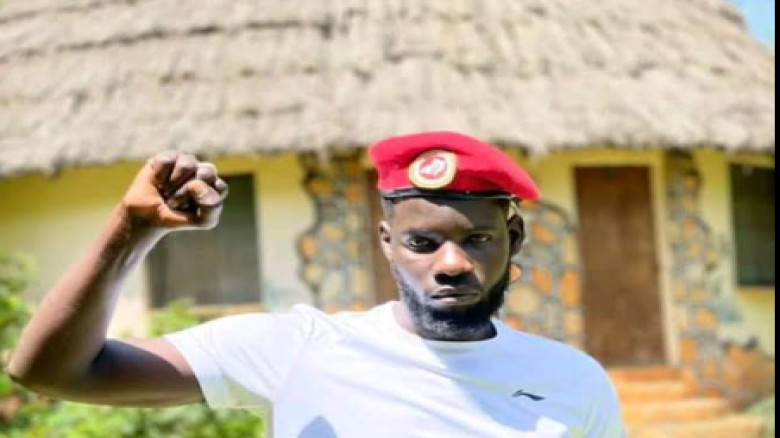
Sammy Okanya Opens Church, Transitions from Comedy and Political Activism to Full-Time Ministry
In a quiet but profound shift that has captured attention across Uganda’s entertainment and political circles, Sammy Okanya has stepped away from the spotlight of satire and activism and into the pulpit. The former comedian and outspoken political activist has opened his own church and is now dedicating his life to ministry work, praying for congregants and preaching messages of transformation.

For years, Okanya was known for wielding humor like a sharpened tool — cutting, deliberate, and often political. His performances did not merely entertain; they provoked thought. He was part of a generation of Ugandan creatives who blurred the lines between comedy and civic engagement, speaking to frustrations many citizens felt but could not always articulate publicly.
Now, that voice carries a different cadence.
Inside his newly established church, the tone is no longer satirical but solemn. Witnesses describe extended prayer sessions, emotional testimonies, and sermons that center on redemption, purpose, and personal change. Where once he commanded laughter, he now calls for reflection. Where applause once followed punchlines, congregants now respond with “Amen.”
The transition did not happen overnight. Those close to Okanya suggest that his spiritual journey had been unfolding privately for some time. Friends speak of a period of introspection fewer public appearances, more time devoted to faith, and a gradual retreat from the intense political engagement that once defined his brand. By the time he formally opened his church, the transformation, to him, was already complete.
Uganda has long been a nation where faith and public life intersect in complex ways. Politicians invoke scripture. Musicians release gospel albums. Public figures frequently testify about salvation and rebirth. Yet Okanya’s move feels distinct because it marks a departure not just in profession, but in posture. He is no longer critiquing systems from the outside; he is guiding souls from the inside.
Reactions have been mixed but deeply engaged. Supporters celebrate his decision as courageous a man choosing conviction over comfort, purpose over popularity. Skeptics question whether the shift represents disillusionment with activism or a strategic reinvention. Social media has been flooded with debate, reflecting how deeply Okanya’s previous work had embedded him in Uganda’s socio-political consciousness.
At the heart of it all is a simple reality: people change.
In recent services, Okanya has been seen laying hands on worshippers, counseling families, and organizing community outreach efforts. His communication skills sharpened over years on stage and in public forums, now serve a different audience. The charisma remains. The audience remains. The message has changed.

What does this mean for Uganda’s celebrity culture? Perhaps it signals a broader evolution and a reminder that public figures are not fixed in time. They adapt, reassess, and sometimes walk away from the very platforms that once defined them.
Whether Sammy Okanya will ever return to comedy or political commentary remains uncertain. For now, his focus appears unwavering: ministry, prayer, and spiritual leadership.
And in a country where faith often shapes both private and public life, his story is less about abandoning the stage and more about choosing a different one.
Leave A Comment